








One of our talented Young Critics recently reviewed Stories in the Dust, an eco-fable for kids age 5-12.
Young Critics are an imaginative collective of students that value collaboration and innovation. Together, they review and help shape future theatre programming.
Review
There is a distinct air of impatience in the long minutes before the lights go down at a play aimed at children. They fidget and stand only to sit back down; they talk, they laugh, they shout; snacks intended to last them the duration of the show are consumed before the curtain has even risen. Such was the anticipatory chaos at Lakeside Arts this past weekend, as the young audience waited to watch Anna
Harriott and Iona Fleur Sheppard’s Stories in the Dust.
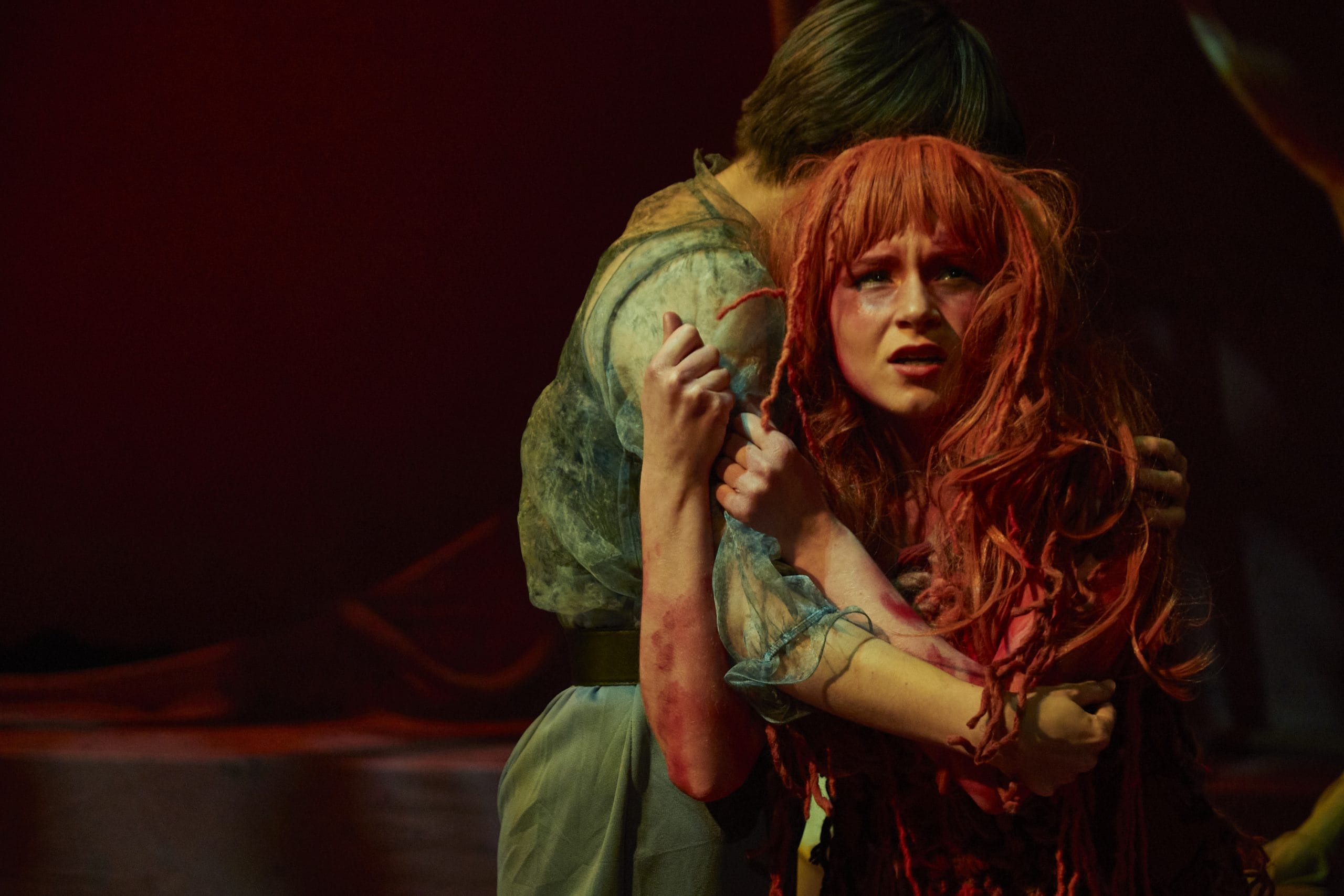
Amazingly, from the moment the opening song began the children were silently enthralled. It struck me as spectacularly hopeful that, in the age of declining attention spans from the constant overstimulation of digital media, a two-person stage show is still able to utterly engage a crowd of children. Enlisting the universal magic of music and storytelling, Stories was created in conjunction with primary school children, and the attention and understanding clearly paid to them is evident in every carefully planned aspect of the play. The primarily monosyllabic and repetitive language, breaking up the narrative with songs and puppetry, and a narratorial recap halfway through all served to ensure the show’s continuing grasp on the audience’s focus. And until the very end this focus was held to such an extent that the children were reacting with the characters – gasping when they gasped, laughing when they laughed – imaginatively immersed in the vivid world created for them.
A production that in every facet of design displays the creative potential of recycling, the primary set piece was two shopping trolleys hooked together, filled with all manner of repurposed rubbish to invoke the play’s climate-conscious message without a barrage of exposition and facts. From an eclectic collection of
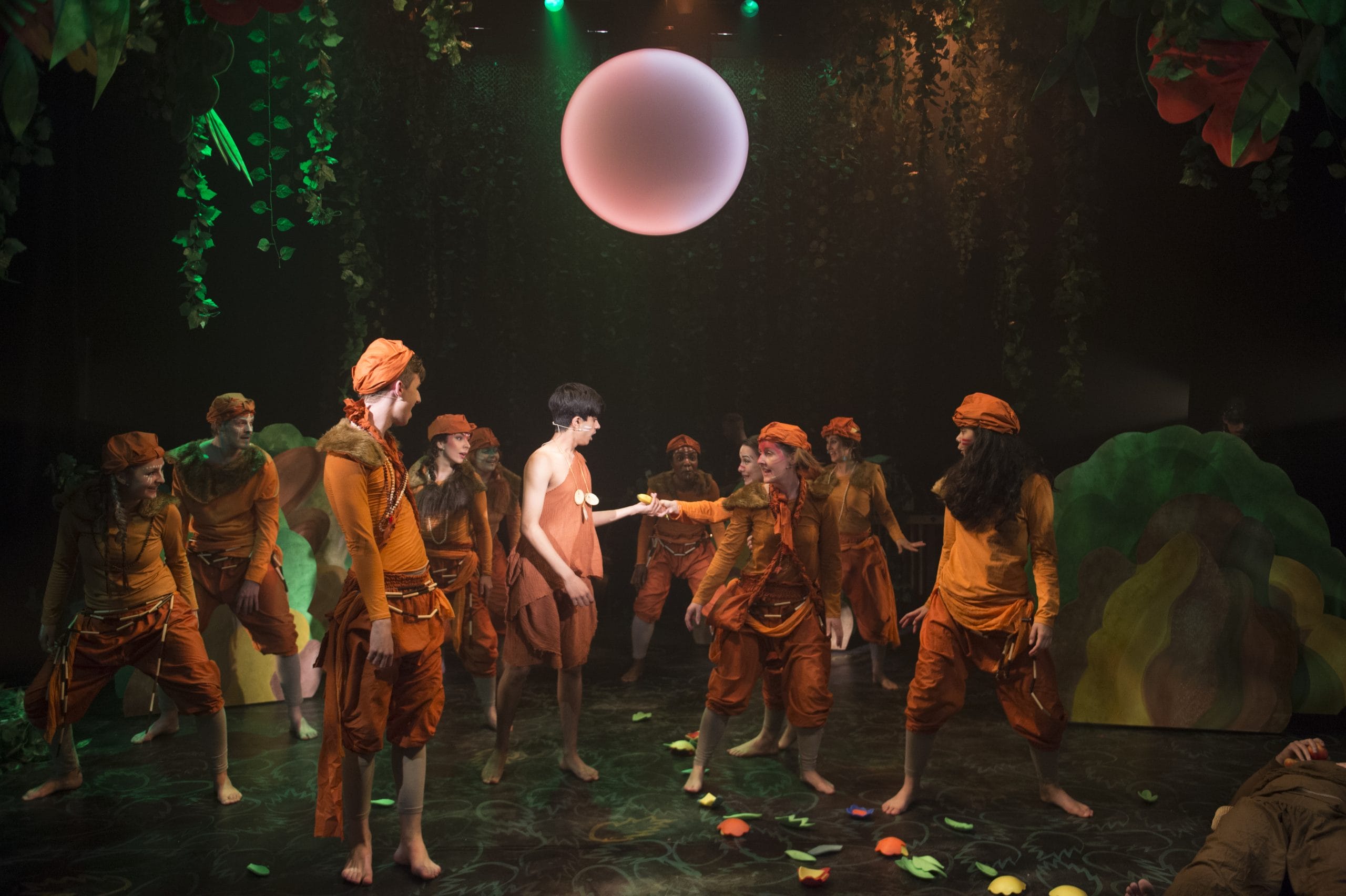
rain-catching ‘coops’ to Captain Ralf (a playful cat puppet made of an old plastic bottle) the play made magic of the mundane and in doing so proclaimed the importance of making the best of what you have, and revaluing disposable objects as more than useless waste. Despite many such subtle reminders of reality, Stories was incredibly immersive. The trolley and the recycled costumes combined with the warm wash of orange light to create what seemed a different world. For the adults in the audience, the eco-fable was easily recognisable as set in a future wasteland, but the children, as the performers mentioned, often assume it to be set in the distant past.
Perhaps then there ought to be asked the question of whether the sub textual themes and warnings of the show are actually reaching the children, but Anna and Iona have evidently thought ahead. Stories very intentionally ends on a scene of hopeful ambiguity, as the travellers round the final corner to the idyllic land that they have been searching for. What they find there is left to the imaginations of the viewers, and there is an interesting discussion throughout of whether this oasis truly exists, or is even truly necessary for their contentment in life. While the enormity of this debate may not hit the children, they are encouraged
to discuss and consider the two perspectives as held by the two characters to whatever depth it has reached them, and even this is indescribably useful as an introduction to such intense and difficult topics as climate change and the state of the world that they are growing up in.
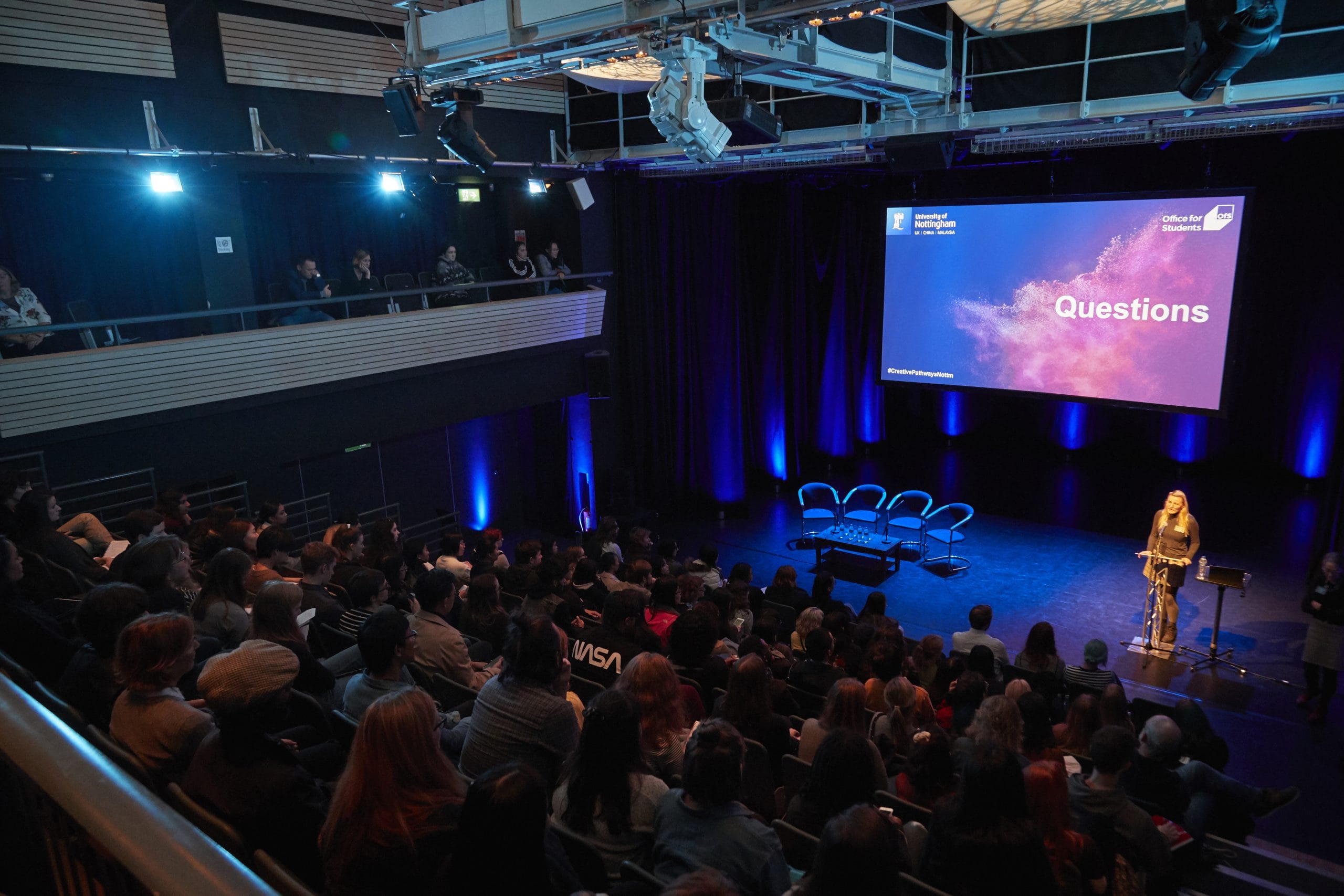
In a final excitement for the audience, they were invited to the stage after the performance to ask questions of the actors, and to explore for themselves the construction of this beautiful story. As someone who remembers always wanting to see the enigmatic other side of theatre as a child, I can imagine how fascinating and memorable an experience this must have been for them. It’s wonderful to think that this show not only facilitates conversations and considerations about the future that are otherwise very difficult to start, but may also inspire a lasting interest in theatrical ‘magic’, as one mesmerised child described it.