








As part of our Young Critics Collective programme, Anya Berg reviews It's Nice Up North.
This event celebrated the much-loved comedy documentary’s 20th anniversary, featuring unseen Martin Parr footage and a live Q&A.
Young Critics are an imaginative collective of students who value collaboration and innovation. Together, they review and help shape future theatre programming.
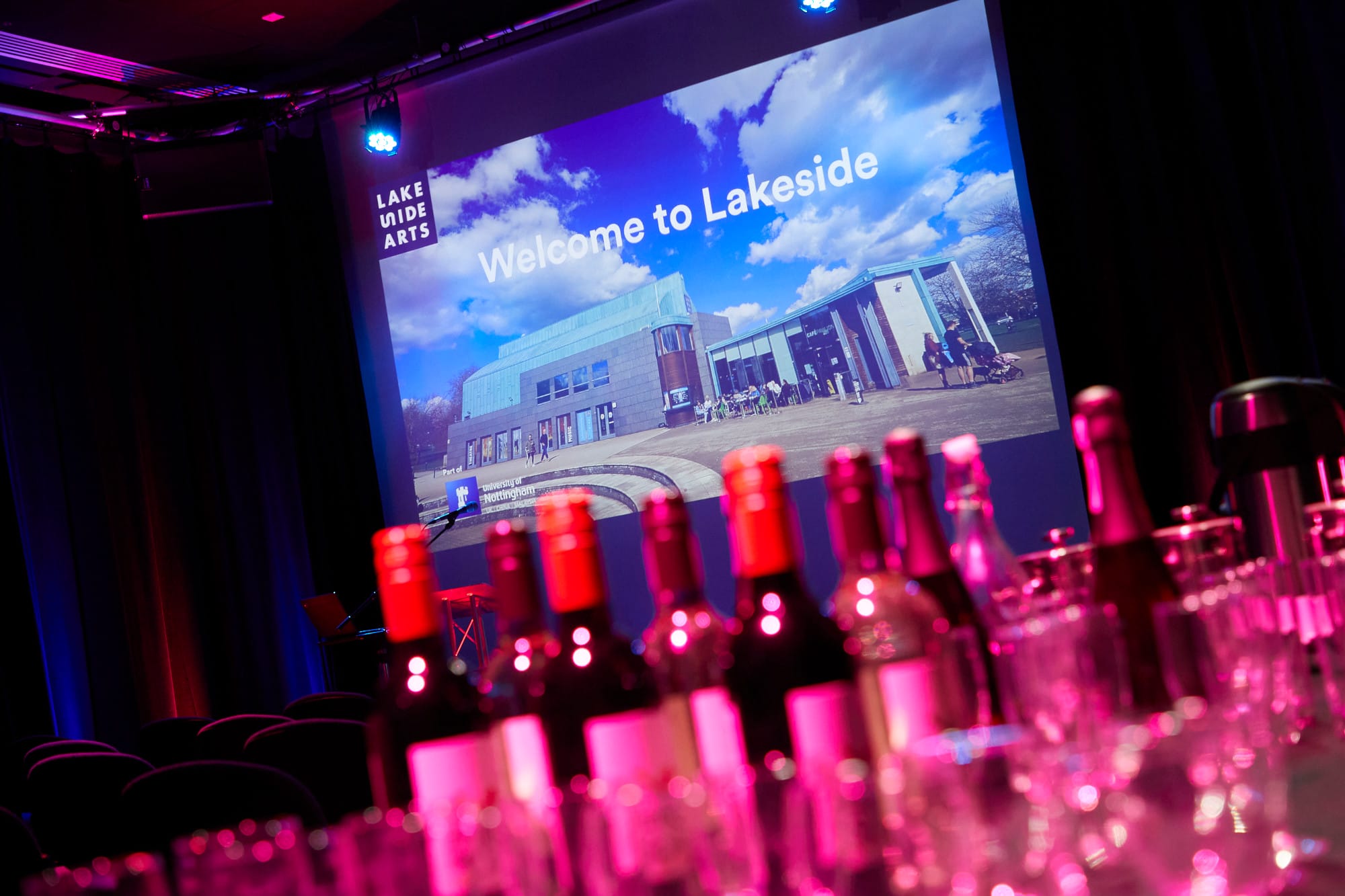
Twenty years on, It’s Nice Up North still lands as sharply as it did in 2006, and this anniversary screening at Lakeside Arts doubled as a moving tribute to the late photographer Martin Parr. Graham Fellows’ comedy documentary, featuring his creation John Shuttleworth and Parr himself, was paired with a short film of unseen footage and a Q&A, turning a night at the cinema into something warmer and more personal.
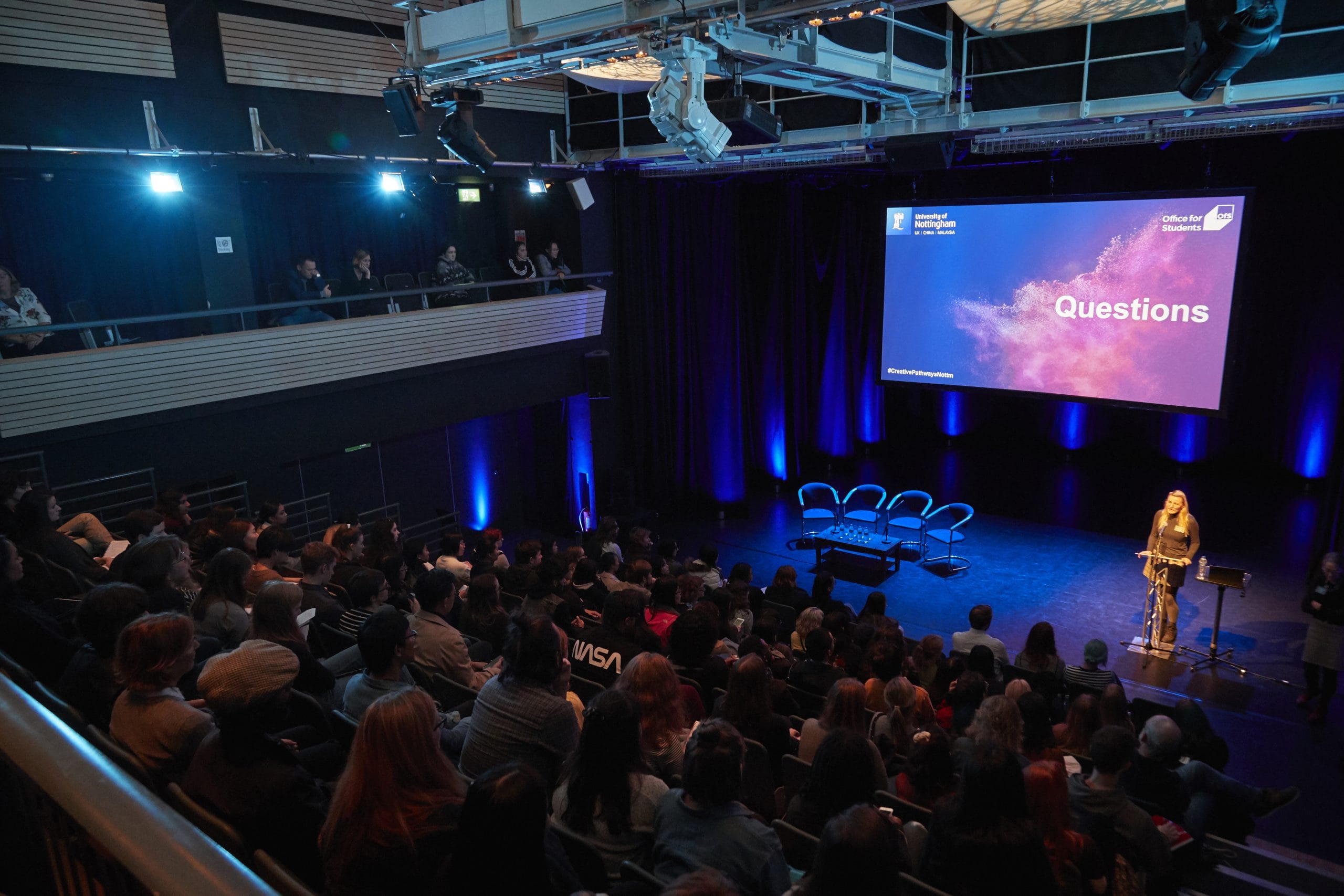
The room felt like a reunion. The evening was beautifully framed; Jack Newsinger of the University of Nottingham’s Institute for Screen Industries Research hosted the screening, and Fellows, Shuttleworth’s creator, briefly introduced the film before asking who had seen it in 2006. A large part of the audience responded, and the room’s excited buzz said as much about the film’s staying power as any review could.
A six-minute bonus film played before the main feature, setting the tone for a nostalgic, affectionate evening. It cut between Parr’s awkward attempt to introduce the film in 2005, filmed in front of a skip with Fellows narrating, and Fellows visiting Stuart Thom, a member of the original camera team, at home to talk about Parr since his passing. The audience laughed throughout, especially at Parr’s stilted remarks, Fellows’ wonky camera angles and his dry voiceover, and it was clear who belonged on each side of the camera: Parr, the master of the still image, visibly uneasy as a presenter, and Fellows, the comic, gleefully in charge. It ended on a dedication “in memory of Martin Parr”, and the mood shifted. In a sense, Parr opened the 2026 screening himself, with his 2005 introduction.
The film opens with close-up angles through a windscreen, which feels distinctly Parr-esque in its eye for the ordinary. From there, its deadpan comedy draws loud chuckles throughout, and Shuttleworth’s made-up songs earn some of the biggest laughs. It also features Elma Johnson, a genuine tour guide whom Fellows noticed in a picture and then phoned to ask if she would take part; she proved a fantastic addition, and an audience favourite. A particularly clever running joke has Shuttleworth never open the map fully, so they never quite reach the northernmost point of the UK. The gag was inspired by Fellows’ own trouble unfolding a map on the way to a Shetland gig with his family in 2003. Nothing about the film feels outdated: the shared understanding that people are nicer up north means every joke still lands.
The jokes about Parr have aged differently from the rest of the film. Gags about his “poor” photography and filming, including the shots Fellows kept in where Parr left the camera rolling on nothing, now carry a sense of nostalgia. Parr is the target of many jokes, yet he is visibly a friend, and Fellows’ admiration shines through the evening. After the dedication, the teasing reads as affectionate prodding rather than mockery, and it remains very funny.
Newsinger’s Q&A turned a screening into a conversation, and the audience’s eager questions kept the evening’s affection going. They ranged from Parr’s own films to how Elma came to be cast, and one asking how Fellows balances comedy against making fun of people drew the most revealing answer. Fellows approached people in character as Shuttleworth, trusting the character’s genuine interest in them, so the laughs come from the character rather than at the strangers he meets. It reflects his belief that comedy should be about the comedian, not about mocking others. Audience questions gave a real insight into the production process and the friendship behind it. Parr preferred real encounters to scripted ones, yet Fellows saw the mix as pivotal, and the two stayed in touch long after the film. That friendship explains why the teasing felt warm, and the fact that the film had to be made in just five weeks made its lasting appeal all the more striking.
A brief sync fault between sound and picture partway through the film briefly disrupted the experience. Fellows acknowledged it openly at the start of the Q&A, and the audience’s response suggested that this helped draw them back in.
Ultimately, It’s Nice Up North has aged remarkably well, and this screening honoured its collaborator with real warmth. The tribute that opened the evening and the Q&A that closed it framed the film with the affection behind it. A warm evening for fans of the film, admirers of Parr or anyone who enjoys gentle British comedy.