








As part of our Young Critics Collective programme here are reviews from our recent performance of Bird by Amina Khayyam.
Bird, the main performance was performed by professional dance company Amina Khayyam Dance Company. This was supported by a curtain raiser SAHELI, performed by Manushi, a Nottingham based Kathak Dance Group.
Young Critics are an imaginative collective of students that value collaboration and innovation. Together, they review and help shape future theatre programming.
Reviews
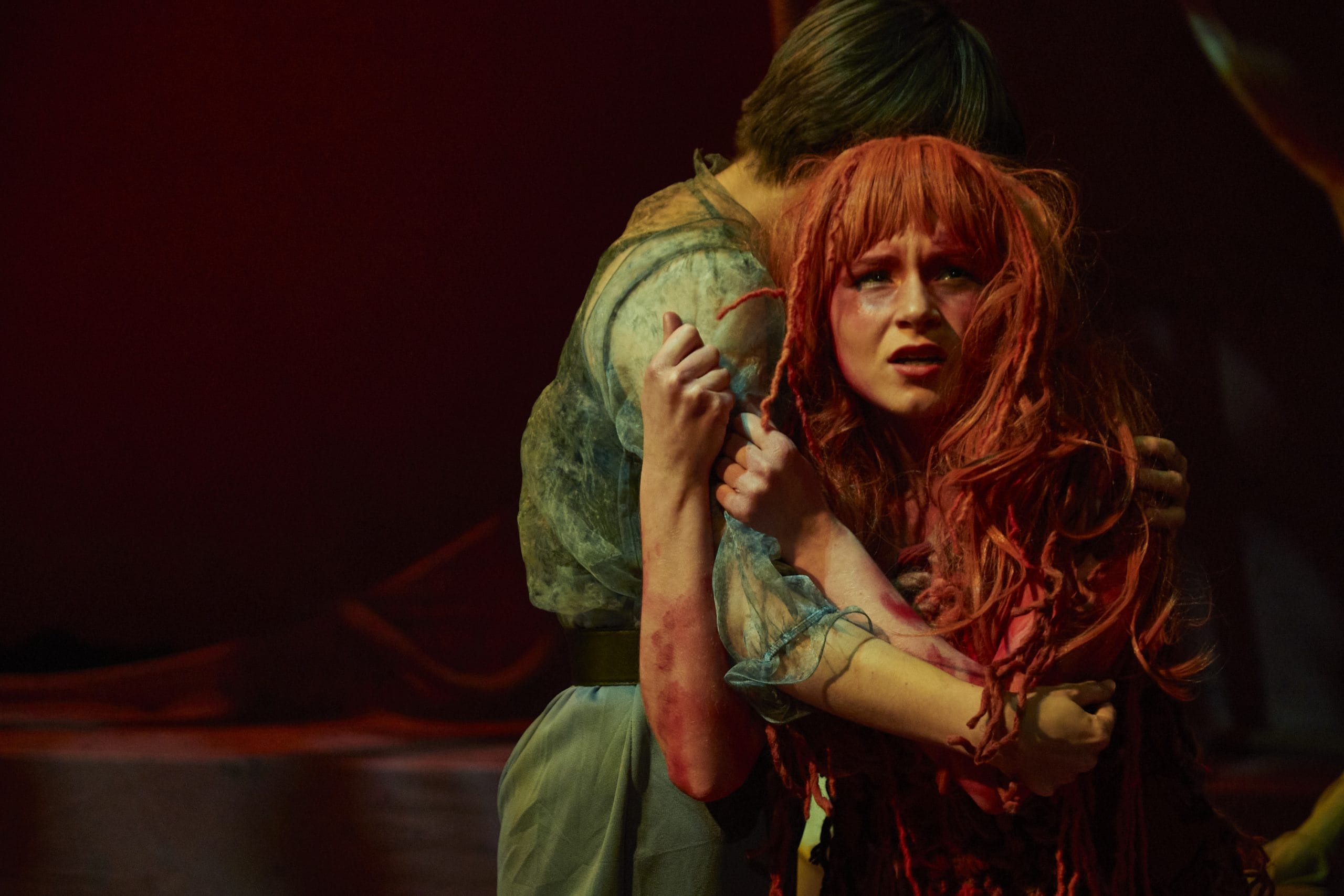
Amina Khayamm’s Bird uses classical Indian kathak dance to explore female solidarity and domestic abuse. At once arresting, fluid and powerfully realised, the performance’s greatest strength is the emphasis that it places on storytelling.
The piece begins with three women dimly lit on stage, bending in turn to deliver a silent scream. This striking opening marks both a physical and thematic motif: the movement is repeated throughout the performance but equally represents how female pain and abuse are silenced.
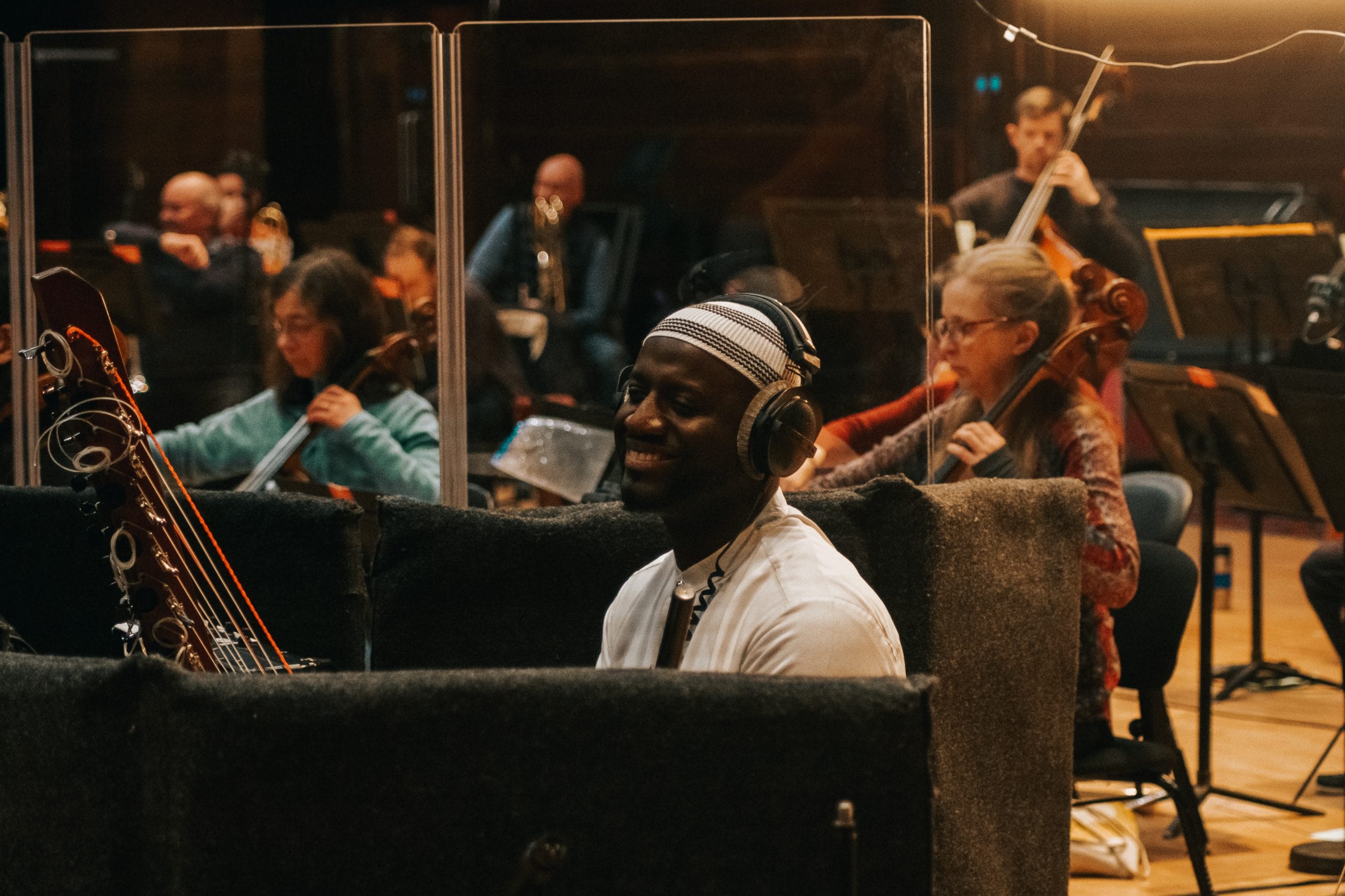
These moments of silence are further emphasised as breaks in my favourite part of Bird: the live musical score written for cello, sitar and tabla. In the post-show discussion, Amina Khayamm foregrounded the creative reiterations of producing music specially written for the dance.
The bespoke score created a genuine dialogue between the two art forms. The synchrony between dancers’ footwork and the tabla beat, or between the melancholy of a cello solo and of an isolated dancer was truly haunting. However, having the musicians visible onstage throughout the performance rather than only at the end could have further highlighted the interplay between the two.
In post-show discussion, Amina Khayamm emphasised the importance of storytelling. Bird was the result of workshops with real domestic abuse survivors and this commitment to authenticity shone through the dancers’ vivid narrative work. While domestic abuse is portrayed on stage through flashbacks when the women share their experiences, I appreciated that the performance centres on the future, not the past.
Having flown their abusers, as suggested by bird-like hand gestures, the dancers seek refuge in a women’s hostel. Initially, they perform solos isolated from the main upstage group, showing how this place isn’t automatically a utopia of sisterhood. However, Bird evokes how community can be built – it was only when, halfway through the performance, the dancers spin together in a shield-like, protective formation, that I realised how lonely their solo performances had previously been. While still performing the reality of female pain, Bird’s forward focus ultimately highlights possibility and hope for domestic abuse survivors.
This review would be incomplete without praising the compelling curtain raiser: SAHELI by Manushi Kathak Dance Company. Vivid traditional Indian dress, ghungroo ankle bells and a tight collection of onstage musicians combine to form an engaging performance. This Nottingham-based dance company’s passion exemplifies the importance of supporting grassroots cultural organisations – an ethos equally championed by Amina Khayamm in Bird’s genesis.
Two performances – Saheli by Manusha Dance Company and Bird by Amina Khayyam Dance Company – offer distinct encounters with kathak, the North Indian classical dance style. In Hindu and Muslim cultures, kathak is the art of the kathakar (Sanskrit), the storyteller, narrating mythological and devotional tales through sharp poses, intricate footwork, graceful spins, and precise hand gestures.
Saheli presents kathak in its full cultural richness, grounded in classical Indian music and instruments. I first experienced the tabla for example, in an orchestra playing Wijeratne’s concerto, but experiencing it as part of kathak performance revealed a much more intimate and soulful experience, transformed particularly with Jonathan Mayer’s emotional score for Bird. The sitar adds plucked rhythmic articulation and melody, with a wide range of pitch like the cello, whose low drone anchors the ensemble, occasionally rising into solo emotive melody. Bells round the dancers’ ankles move in dialogue with the tabla, each step becoming music, each beat becoming movement. With an intimate and expansive soundscape, the stage is set.
As Saheli celebrates cultural heritage, Bird transforms it. Amina takes kathak’s
traditional vocabulary and translates to the experiences of women having escaped
domestic abuse, navigating ‘fear, isolation, and the courage of starting again’. The
outfits, for example, have minimalistic shape and muted colours, rather than traditional layering and vibrancy. This allows universality of their characters, whilst their trousers beneath skirts honour tradition.
The music-dance relationship in Bird communicates this narrative, the tabla as its
beating heart. Rhythmic patterns mirror the dancers’ footwork and sharp movements, creating moments of profound synchronicity – pulse and body inseparable. The cello’s sustained notes provide space for the dancers’ characters to emerge, whilst vibrato further conveys soul and emotion. The sitar blends rhythm and melody. These allow for a raw and intimate performance of people and their experiences, direct communication from stage to audience, with the musicians on stage the entire time (not visible). Every movement, sharp, quick or slow, is easily legible through its musical accompaniment, the instruments not merely supporting but actively participating in the story being told.
A difficult but immensely important conversation to contribute to, Amina has poured passion and sensitivity into the project which she articulated in the post-show talk, truly listening to people’s personal experiences and taking care to articulate their stories. She has mirrored kathak’s own history of resilience – diminished under British colonial rule, it struggled but flourished in independence, as these dancers explore intense power relations even after their escape.
In synchronised spins and graceful extensions, the dancers set each other free. In
between percussive energy and soulful dynamics, Bird demonstrates not only a
portrayal of survival, but what it is to be indelibly human.